Diamond Shapes
The different diamond shapes
Diamonds come in a wide variety of geometric shapes, and each shape has its own special appeal. Diamond shapes can be divided into two groups: there are round diamonds and diamonds in “fancy” shapes such as rectangle, square, or oval. Round diamonds, meaning diamonds with a round brilliant cut, are particularly popular and widespread because of their proverbial “brilliance.”

The brilliant cut
Round brilliant-cut diamonds are the classic choice and particularly sought after. With over 57 light-reflecting facets, they captivate with intense sparkle and showcase the fire of the diamond to perfection. Since cutting a round diamond with a correspondingly high number of facets results on average in more loss of precious rough material than with other shapes, brilliant-cut diamonds with a high cut grade achieve the highest price per carat.

The princess cut
The princess cut is also very popular. Because of its distinctive shape with pointed corners, it is especially popular for engagement rings. After all, this cut, which was only developed in the 1960s, is a real eye-catcher and a perfect symbol to crown love. With over 50 triangular facets, diamonds in the modified, square brilliant cut also display exceptional fire and are a modern and highly stylish alternative to the classic round brilliant.

The emerald cut
The emerald cut, also called Emerald Cut, captivates with its elongated, step-like faceting. This rectangular diamond shape showcases the purity of the diamond in an elegant way. The emerald cut is inspired by the aesthetics of Art Deco. Glamorous and at the same time highly sophisticated, it fascinates with clarity and a carefully measured touch of coolness. As the name already suggests, the emerald cut, with its step-cut facets and large table, was originally developed for cutting the very brittle emeralds. Only later was this cut style applied to diamonds.

The cushion cut
The cushion cut, also called Cushion Cut, with its square shape and slightly rounded corners is reminiscent of an opened cushion. It is an old cut style that has been used since the 18th century and, with its sophisticated appearance, is still very popular today. As a rule, the cushion cut is fashioned with 58 facets. Due to these relatively large facets, the clarity of the diamond is important. Compared to the brilliant cut, the cushion cut shows slightly less brilliance, but it has a high dispersion of light, which creates spectacular plays of colour.

oval diamonds
Oval diamonds look exceptionally exquisite and make the fingers appear visually longer and slimmer. Anyone looking for a particularly individual diamond ring is well advised to choose this cut, which essentially combines the advantages of the round brilliant cut and the marquise cut. The brilliance of oval diamonds is just as intense as that of classic round-cut diamonds. At the same time, the visually flattering oval diamonds appear larger than round-cut diamonds of the same carat weight due to their elongated shape. This cut therefore creates an especially striking effect.

The teardrop shape
The legendary pear shape is reminiscent of a sparkling tear and creates an extravagant, unique look. The special feature of this sophisticated cut, which is rounded at one end and pointed at the other, is the combination of brilliant cut and marquise cut. The pear cut, with its exceptional light reflections, is a very old cut that was developed as early as the 15th century by the Belgian cutter Lodewyk van Berken from Bruges. Just like oval diamonds, the pear shape also makes the finger appear longer.

The marquise cut
Striking in shape, sophisticated in effect: the royally elegant marquise cut is a noble statement and experienced its heyday in the 1960s and 70s. It is said that this exquisite elongated cut with its characteristic pointed ends was created especially for the Sun King Louis XIV of France, and that his mistress, the Marquise de Pompadour, was the source of inspiration. Allegedly, the marquise cut was modeled after the charming shape of her lips, thus making her smile immortal for all eternity.

The heart shape
The heart cut has a rich history that dates back to the 15th century. During the Renaissance, heart-shaped diamonds were frequently used in royal jewelry and were considered a symbol of love and affection. Kings and queens had heart-shaped diamonds set into their crowns, tiaras, and other royal insignia to express their power and romance. Today, the heart shape is used for many different pieces of jewelry, including engagement rings, pendants, and earrings. The distinctive cut and romantic shape of the heart-shaped diamond make it an ideal choice for gifts and symbolic jewelry.
Overview of the different diamond cuts
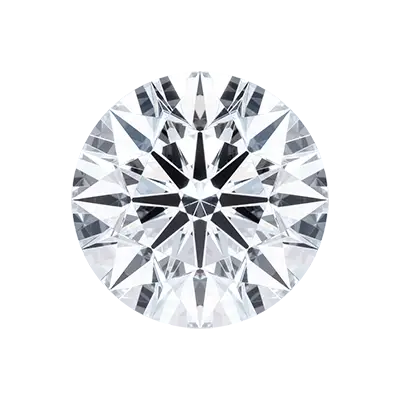
BRILLIANT
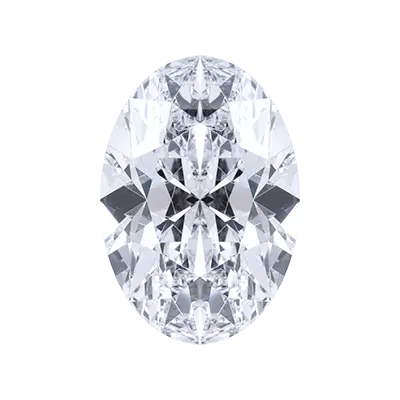
OVAL
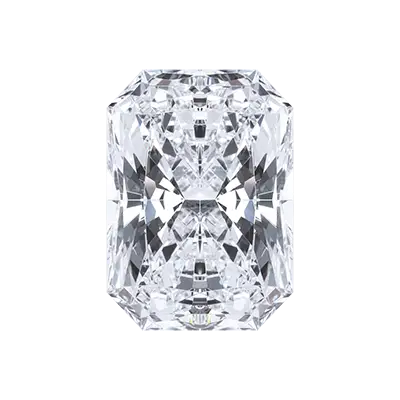
RADIANT
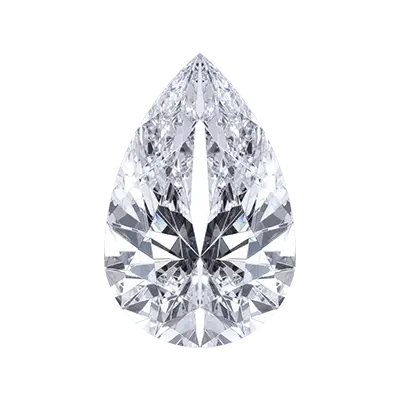
PEAR
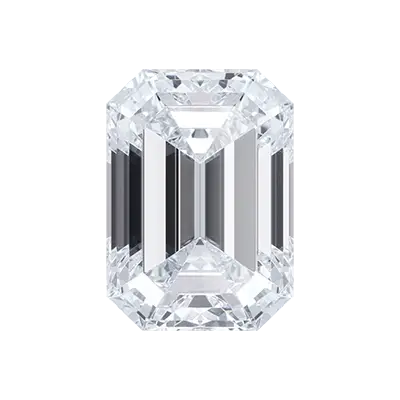
EMERALDE
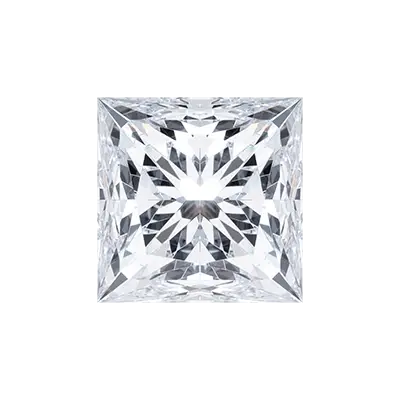
PRINCESS
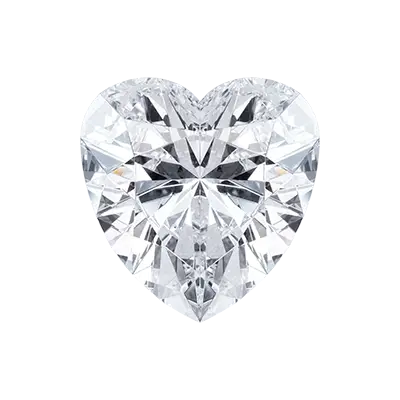
HEART
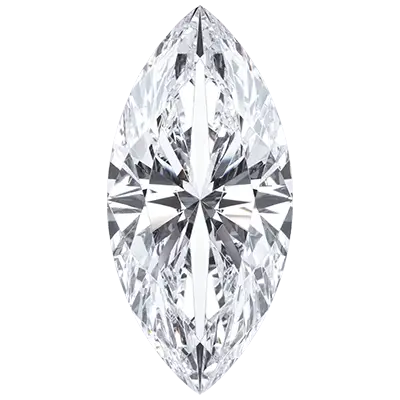
MARQUISE
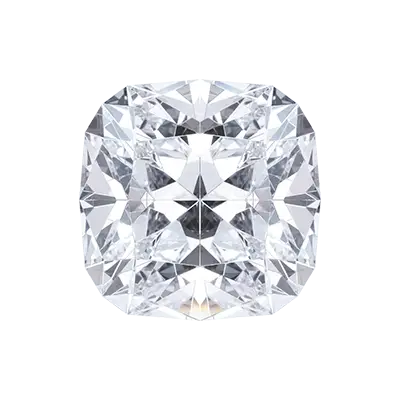
CUSHION
Das könnte Sie ebenfalls interessieren


Engagement rings
As pure and as unique as true love: the most beautiful engagement rings for the most important question in life.

Jewelry
Of timeless beauty: elegant diamond jewelry that enchants at first glance with its brilliance.